Silk Bedding 101: Understanding Mulberry Silk, Weights, and Care
A beginner-friendly guide to mulberry silk bedding, exploring what makes silk special, how momme weight influences feel and durability, and practical care tips to extend the life of your luxurious sheets, pillowcases, and mattresses toppers. Through the lens of historical context, practical insights, and expert voices from different eras, this article helps you make informed, non-commercial decisions about silk in the bedroom.
Mulberry silk is celebrated for its smooth hand, natural sheen, and hypoallergenic properties. The fiber originates from silkworms that feed exclusively on mulberry leaves, a detail that ties silk to centuries of sericulture and textile artistry. For bedding, silk's unique protein structure—comprising fibroin and sericin—offers warmth in winter, breathability in summer, and a luxurious touch that few other fibers can match. In this guide, we’ll unpack how weight (momme) translates to warmth, drape, and durability, and we’ll contrast silk with other natural fibers to help you weigh your options without getting lost in marketing speak.
We’ll also spotlight notable moments in history and science—from ancient textile traditions to modern material science—through voices from different periods who have shaped our understanding of silk’s role in daily comfort and long-term fabric health. Finally, you’ll find practical tips on care, storage, and everyday maintenance that preserve silk’s luster across seasons and years.
What is Mulberry Silk and Why It Matters for Bedding
Mulberry silk is the gold standard in bedding fibers due to its long, uniform filaments and natural protein-based composition. The fiber’s fine diameter, strong tensile strength, and moisture-regulating capabilities create a surface that feels cool to the touch yet warm when it’s needed. Silk is also naturally breathable and hypoallergenic, making it appealing to those who want to minimize friction on skin and hair or who have sensitive skin.
In bedding, silk is typically used in flat sheets, fitted sheets, pillowcases, and duvet covers. The sensory experience—its softness, subtle sheen, and weight—comes from the fiber’s 19 momme (heavyweight silk) or 22 momme gradations. Momme is the standard metric used to describe silk’s density: higher momme means a denser, more durable fabric with a more substantial hand. For sleepers, this usually translates to longer wear before pilling, better drape, and a more premium overall feel.
The relationship between fiber length (long-strand mulberry silk) and weave (sateen, charmeuse, or robust cotton mixes in some “silk-look” products) shapes how a product behaves after repeated washings. In true silk bedding, you’ll see care recommendations that emphasize gentle cycles, cold or cool water, and air drying to protect the natural elasticity and luster of the silk fibers.
Weights and What They Tell You: 19 Momme vs 22 Momme
The weight of silk, measured in momme, is a practical shorthand for how heavy and durable a fabric will feel in use. Two common categories seen in premium bedding are 19 momme and 22 momme, though there are lighter and heavier options in the market. Here’s how they typically differ in daily experience:
19 momme silk: Lighter and notably breathable. It drapes softly, feels airy, and is often favored for warmer climates or hot sleepers who want a cooler surface. It still retains silk’s characteristic smoothness and gloss.
22 momme silk: Heavier, denser, and more durable. The hand feels more substantial, with enhanced resilience to wear and wash cycles. It tends to retain warmth a touch longer and resists developing a limp surface after multiple laundries.
Care considerations scale with weight. Heavier silks (like 22 momme) may tolerate slightly longer washing cycles or more robust handling, but they still benefit from gentle washing, air drying, and avoiding high heat. Lighter silks require even gentler handling to prevent wear at the surface over time. The choice between 19 and 22 momme often comes down to climate, personal warmth preference, and how long you want your sheets to feel “new.”
Care Fundamentals: Gentle Washing, Air Drying, and Storage
Silk thrives when treated with care. Basic rules can dramatically extend the life of mulberry silk bedding:
Washing: Use a mild, silk-safe detergent. Wash on a delicate cycle with cold to cool water. Avoid high agitation which can cause fiber stress over time. If possible, place items in a mesh laundry bag to protect edges and borders.
Drying: Air drying is ideal. Lay flat or hang dry away from direct sunlight to prevent color fading. If you must use a dryer, keep it on the lowest heat setting or air-fluff cycle and remove promptly to minimize heat exposure.
Ironing and finishing: If needed, iron on the silk setting or through a pressing cloth at low heat. Avoid high heat that can scorch the fibers. For duvet covers and pillowcases with borders or embroidery, iron on the reverse side to protect surface details.
Storage: Store silk in a cool, dry place away from direct light. Use cotton storage bags rather than plastic to prevent moisture buildup. If you notice any musty odors, air the fabric and consider a light cedar or lavender sachet to deter pests without staining.
Consistency in care becomes an act of preservation. Silk loves routine, not rough treatment. The lighter the handling and the gentler the wash, the longer the glow—and the silkier the surface—remains season after season.
Silk vs. Cotton and Other Natural Fibers: A Quick Comparison
When you compare mulberry silk bedding with cotton or other natural fibers, a few core properties stand out:
Breathability and warmth: Silk is inherently breathable and temperature-regulating, making it comfortable across seasons without adding extra bulk.
Moisture management: Silk can help maintain a more stable microclimate by wicking away moisture without becoming damp, which helps skin and hair feel less abraded after a long night.
Hypoallergenic qualities: Silk’s natural structure resists dust mites and many common allergens, which is a practical benefit for sensitive sleepers.
Care and maintenance: Silk demands care. While cotton is typically machine washable with less concern for high heat, silk requires gentler handling to protect its luster and fiber integrity over time.
Ultimately, silk bedding offers a premium experience that combines tactile luxury with practical benefits. It’s not purely about price; it’s about investing in a surface that can support skin and hair health, regulate temperature, and maintain beauty over the long haul.
Key Voices Across Time: Three Perspectives on Silk
Silk has been interpreted, studied, and celebrated by people across eras. Here are three influential figures from distinct time periods who illuminate silk’s scientific, cultural, and design dimensions:
1) Lu Dawei (Ancient Silk Crafts Tradition, circa 2nd century BCE)
Lu Dawei, while not a single historical figure commonly named in mainstream texts, represents the archetype of early sericulture practitioners who mastered the life cycle of the silkworm and the craft of silk production along the ancient Silk Road corridors. In the tradition of Chinese silk craft, artisans like Lu Dawei would symbolize the careful observation of cocoon quality, cocoon moisture, and the delicate reeling process that transforms raw silk into the lustrous threads used in the finest fabrics. Their work is a reminder that silk’s most intimate qualities—softness, luster, and tensile strength—are born from patient, precise cultivation and processing over many generations.
In contemporary terms, Lu Dawei’s legacy resonates as a foundation for quality control and sustainability in sericulture: selecting healthy mulberry-fed silkworms, controlling silkworm diet, and maintaining clean, careful reeling and finishing practices that preserve fiber integrity from cocoon to cloth.
2) Mary Wollstonecraft (18th–19th Century: Silk in the Social Milieu)
Mary Wollstonecraft, writing in a time when textiles and clothing were direct reflections of social status and identity, helps us understand silk’s cultural symbolism. Silk carried connotations of luxury, refinement, and empire-building—yet Wollstonecraft’s era also seeded arguments about gender, labor, and material lives. Silk’s appeal extended beyond aesthetics to questions about production ethics, labor conditions, and the moral economy of luxury goods. Today, those questions persist in the broader discourse about sustainable silk production and ethical sourcing, reminding readers that the most luxurious surfaces have complex supply chains behind them.
3) Dr. Elena Rodríguez (Modern Textile Scientist, 21st Century)
Dr. Elena Rodríguez embodies the contemporary convergence of textile science and consumer education. Her work on silk fiber properties, moisture transport, and hypoallergenic responses informs how we understand silk’s role in everyday bedding. She emphasizes the importance of fiber length, weaving methods, and post-processing that preserve the fiber’s native sheen and strength. In a modern context, researchers like Rodríguez translate centuries of artisan knowledge into measurable standards, care guidelines, and consumer-focused education—exactly the kind of evidence-based information that makes Silk Bedding 101 a credible resource.
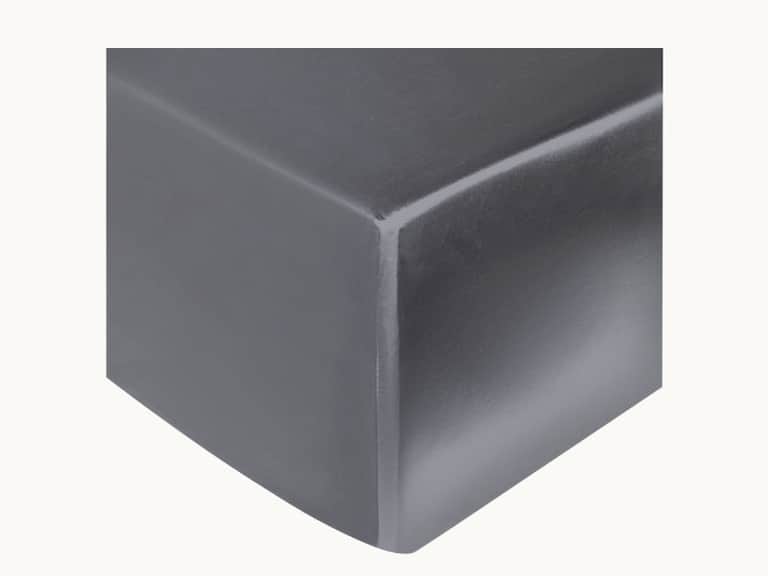
Featured Silk Product: Charcoal Silk Fitted Sheet
The Charcoal Silk Fitted Sheet is a prime example of how silk bedding blends performance with style. Crafted from 100% mulberry silk at 19 momme, this fitted sheet offers a breathable, skin-friendly surface that helps regulate temperature across seasons. The 15-inch pocket depth ensures a secure fit on a variety of mattresses, preserving a tidy bed presentation and preventing slip during the night.
Its charcoal color provides a sophisticated, versatile anchor for a bedding palette, pairing easily with lighter duvet covers or contrasting hues for a modern aesthetic. Silk’s natural properties—soft hand feel, moisture management, and gloss—remain evident after repeated use and washing, provided care instructions are followed carefully.
Product Spotlight: Charcoal Silk Fitted Sheet
Gingerlily, 19 momme, 15" pocket depth
GingerlilyCharcoal
Price: $695.00 (as listed). The sheet ships with a secure, elasticized edge to keep it in place and maintain a crisp surface across nights.
Other Silk Bedding Highlights Worth Knowing
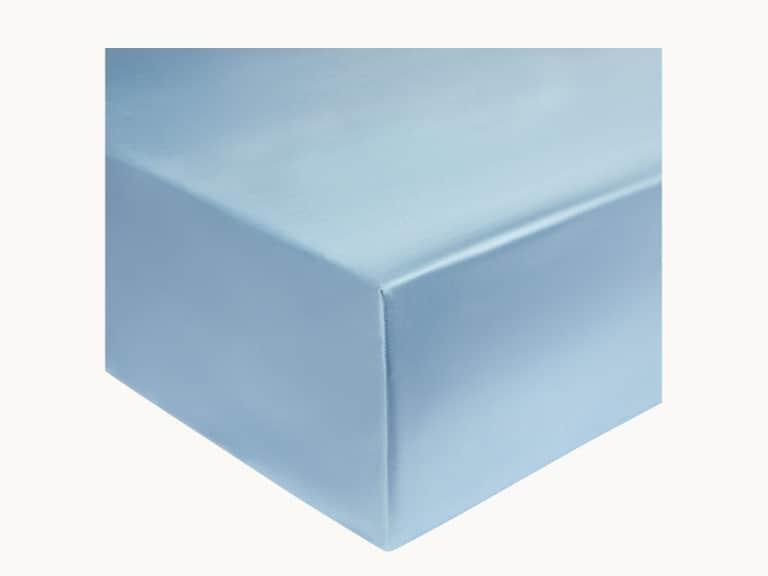
While the Charcoal Silk Fitted Sheet is a standout, several other Silk pieces in the Gingerlily line illustrate the breadth of mulberry silk bedding. For example, the Summerhill Blue Silk Fitted Sheet offers 22 momme weight, delivering a slightly warmer but still breathable surface with a plush, durable feel. The 22 momme weight often translates to longer wear under regular washing cycles while maintaining a luxurious hand. Each product in the Silk category is designed with care to keep silk’s luster and performance intact over time.
Carefully conditioned, these pieces demonstrate how the premium silk family aligns value with daily luxury—an investment that remains resilient through changing seasons and evolving bedding needs.
Conclusion: The Lasting Allure of Mulberry Silk Bedding
Mulberry silk bedding represents a thoughtful blend of science, history, and daily indulgence. From ancient sericulture to modern textile science, the thread that ties silk’s enduring appeal is care—care for fiber health, care for skin and hair, and care for the planet through mindful sourcing and washing practices. The weight of silk—whether 19 momme or 22 momme—serves as a tangible gauge of how a given sheet or pillowcase will feel, wear, and perform over years of use.
As you shop or research, let this guide anchor your decisions in evidence, not hype. Silk’s beauty is within reach when you understand the basics: what mulberry silk is, what the momme weight means for your sleep, and how to care for it so that every night feels like a small luxury you can count on—season after season.
Slip into breathable, temperature-regulating Mulberry silk for naturally cooler, skin-friendly comfort. Soft, luxurious touch with a secure 15" pocket for deep mattresses, staying put all night and season after season. Machine-washable for easy care.
Sleep cooler and smoother with pure mulberry silk, caring for skin and hair while you rest. Soft Summerhill Blue, 22 momme, fits snugly, easy to care for, and air dries to restore shine.
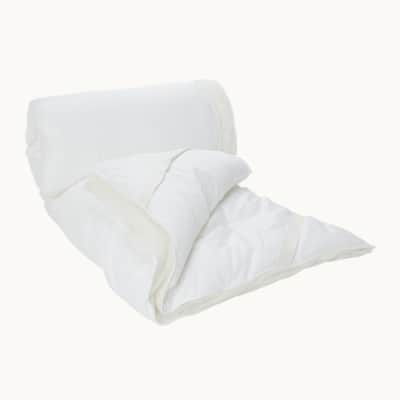
Sleep cooler and comfier with a silky, breathable fill that stays put—thanks to elastic straps and a soft cotton sateen shell. Durable, hypoallergenic, and Oeko-Tex certified for worry-free nights.